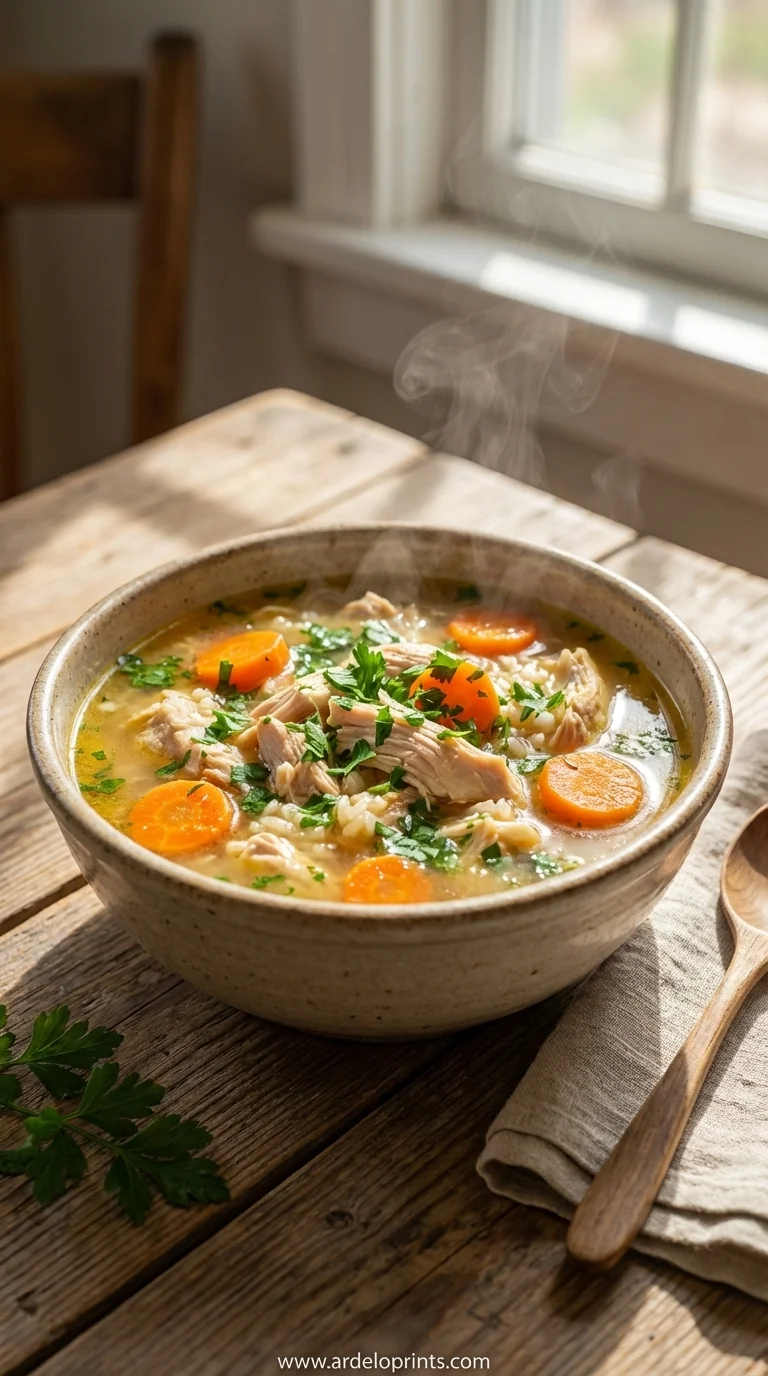
The first time I made this soup was during a rainy Tuesday. I had some leftover roast chicken and a little bit of rice from the night before. I threw them into a pot with some broth, added a few carrots and celery sticks, and let it simmer while I folded laundry.
When my husband came home, he walked in and said, 'Wow, something smells amazing.' It was nothing fancy, but sometimes those humble meals hit the spot just right. The kitchen was steamy, the windows were fogged up, and we ate at the counter together without even setting the table.
Years later, this soup has seen me through busy weekdays, sniffly noses, and those evenings when I just need a bowl of something warm. It reminds me that comfort doesn't have to be complicated. You don’t need a long list of ingredients or fancy techniques—just patience and a little time.
And every time I make it, I think about how food can be a quiet companion. It doesn’t shout; it whispers. It’s there for you when you need it most.
Why You'll Love It
-
It’s ridiculously easy - Honestly, you don't need any special skills here. Just chop a few veggies, simmer everything together, and let the stove do the work. I love recipes that don’t make me feel rushed or stressed, and this one is all about gentle, slow cooking.
You can even use leftover chicken or rice if you have some hiding in the fridge. It’s the kind of meal that forgives you if you forget an ingredient or two. It just wants to be cozy.
-
It feels like a hug in a bowl - There’s something about the steam rising from this soup that just melts away the day. It’s warm, it’s brothy, and the rice makes it feel substantial without being heavy.
I’ve made this on gloomy afternoons, after long walks in the cold, or when I just need a quiet moment. It’s the food equivalent of putting on your softest socks and curling up with a book.
-
It’s so adaptable - You can add more veggies, swap the rice for noodles, or even toss in some herbs from the garden. Sometimes I add a squeeze of lemon at the end for brightness, or a sprinkle of parsley if I’m feeling fancy.
This soup doesn’t mind being tweaked. It’s forgiving, flexible, and always welcomes a little personal touch.
-
It makes the house smell amazing - The aroma of simmering chicken, sweet carrots, and earthy celery fills the whole kitchen. It’s one of those smells that makes everyone wander in and ask, 'What’s cooking?'
It’s a scent that says 'home.' Simple, warm, and inviting.
My whole family asks for this soup whenever someone feels under the weather. It's become our go-again-and-again comfort meal.
Essential Ingredient Guide
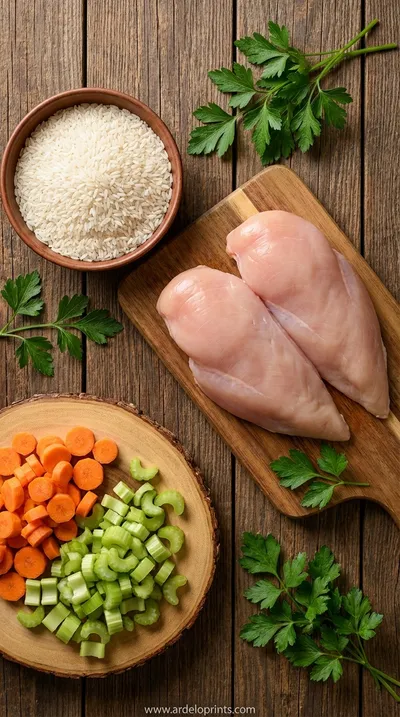
- Chicken: I like using boneless, skinless chicken thighs because they stay so tender, but breast works too if you prefer. The key is to let it simmer gently so it doesn’t get tough. If you have leftover roast chicken, that’s even better—just shred it and stir it in at the end. It’s a great way to use up what you already have.
- Rice: Long-grain white rice works beautifully here because it holds its shape and doesn’t turn mushy. I usually rinse it first to get rid of excess starch, which keeps the broth clear. You can also use brown rice if you want something heartier, but it’ll take a bit longer to cook. Just adjust the simmering time accordingly.
- Chicken broth: A good-quality broth makes all the difference. I try to use low-sodium so I can control the salt myself. Homemade is lovely, but store-bought works perfectly fine. The broth is the soul of this soup—it’s what brings all the flavors together and makes it feel nourishing.
 Dinner
Easy White Chicken Enchiladas with Creamy Sauce
Quick white chicken enchiladas ready in 30 minutes with a luscious creamy sauce.
Complete Cooking Process
-
Preparation:
Start by chopping your vegetables—the carrots, celery, and onion. I like to cut them into small, bite-sized pieces so they cook evenly and feel nice to eat. Sometimes I just stand at the counter and chop slowly, listening to the knife against the cutting board.
It’s a calming rhythm. Then, measure out your rice and rinse it under cold water until the water runs clear. This little step helps keep the soup from getting too starchy.
-
Sautéing:
Heat a little oil in a large pot and add the onions, carrots, and celery. Let them soften and sweat until they smell sweet and fragrant. This is where the flavor foundation is built.
I love the sound of the sizzle when they hit the pan. Stir them occasionally, and just let them be for a few minutes until they’re tender but not browned.
-
Simmering:
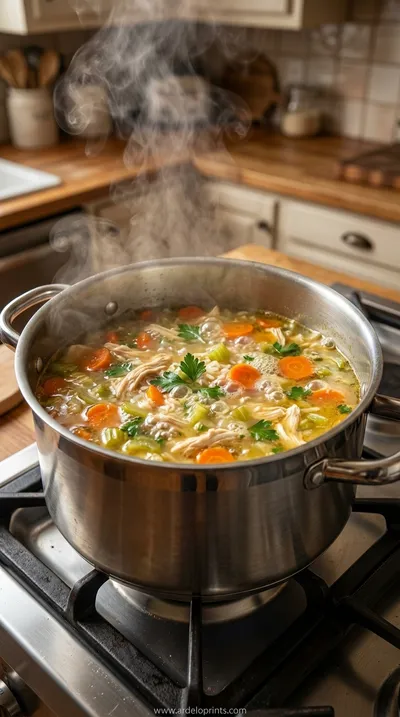
Add the chicken broth, rice, and chicken to the pot. Bring it to a gentle boil, then reduce the heat to a simmer. Cover it and let it cook until the rice is tender and the chicken is cooked through.
This is the part where patience pays off. The soup will bubble quietly, and the whole kitchen will start to smell like comfort.
-
Don’t rush the simmer - Letting the soup cook slowly allows the flavors to meld together beautifully. If you boil it too hard, the rice can break down and the chicken might toughen.
-
Taste as you go - Season with salt and pepper little by little. Broths vary in saltiness, so it’s best to adjust at the end.
-
Let it rest - After turning off the heat, let the soup sit for a few minutes. It gives the rice time to absorb a bit more broth and the flavors to settle.
Pro Tips
These small touches make a big difference in the final bowl. Trust the process—it’s worth it.
 International_Cuisine
Spicy Shrimp Sushi Stacks
A fresh, vibrant bite combining seasoned shrimp, rice, and crisp toppings.
A Bowl of Comfort
This soup is more than just food; it’s a moment of peace. I love serving it in wide, shallow bowls so you can see all the lovely ingredients floating in the golden broth.
Sometimes I garnish it with a little fresh parsley or a twist of black pepper. It’s the kind of meal that feels both nourishing and gentle.
If you're in the mood for something even creamier, you might enjoy this velvety version.
You Must Know
-
The rice will continue to absorb liquid as it sits, so you may need to add a little extra broth when reheating leftovers.
-
This soup freezes well without the rice. If planning to freeze, cook the rice separately and add it when serving.
-
Fresh herbs like dill or thyme can be stirred in at the end for a lovely aromatic touch.
Frequently Asked Questions
→ Can I use brown rice instead of white?
Absolutely, you can use brown rice, but it will need more time to cook. I’d suggest simmering it for about 30-35 minutes until tender. You might also need a bit more broth since brown rice absorbs more liquid.
Just keep an eye on it and taste as you go. It’ll give the soup a heartier, nuttier flavor, which can be really lovely on a cold day.
→ What can I add for more flavor?
A bay leaf simmered with the broth adds a subtle depth. A splash of lemon juice at the end brightens everything up. You can also add a pinch of thyme or a Parmesan rind while it cooks.
I sometimes stir in a tablespoon of miso paste for umami richness. It’s all about making it your own.
→ How long does this soup keep in the fridge?
It will stay good for about 3-4 days in an airtight container. The rice may soak up more broth over time, so when you reheat it, you might want to add a little water or extra broth to loosen it up.
Gently warm it on the stove—microwaving can sometimes make the rice a bit gummy.
→ Can I make this in a slow cooker?
Yes, you can! Sauté the veggies first if you like, then add everything except the rice to the slow cooker. Cook on low for 6-7 hours or high for 3-4.
Add the rice during the last 30 minutes of cooking so it doesn’t get too soft. It’s a great hands-off method for busy days.
→ Is this soup freezer-friendly?
It freezes okay, but the texture of the rice can change a bit—it may become softer. If you plan to freeze it, I’d recommend freezing it without the rice and cooking the rice fresh when you’re ready to serve.
Thaw in the fridge overnight and reheat gently on the stove.
Nutrition Facts
per serving
280
Calories
24g
Protein
25g
Carbs
8g
Fat
Taste Profile
Savory, gentle, and comforting with a balanced broth.
Ingredient Substitutions
Don't have an ingredient? Try these alternatives
Adjust cooking time to avoid drying out.
Cook pasta separately and add at the end to avoid mushiness.
Recipe Variations
Try these delicious twists on the original
Lemon-Herb Version
Stir in fresh dill and a squeeze of lemon juice at the end for a bright, refreshing twist.
Vegetable-Packed
Add zucchini, green beans, or peas along with the carrots and celery for extra nutrients.
Common Mistakes to Avoid
Learn from others' mistakes for perfect results
- Overcooking the rice until mushy.
- Not rinsing rice, resulting in starchy broth.
- Boiling instead of simmering, making chicken tough.
Meal Prep & Storage
Make Ahead Tips
You can chop the vegetables a day ahead and store them in an airtight container in the fridge. The broth can be measured out and kept chilled. If you want to get a head start, you can even sauté the veggies and store them overnight. Then just add broth and proceed with the recipe the next day.
Leftover Ideas
Leftovers taste even better the next day as the flavors meld. Reheat gently on the stove with a splash of broth or water. You can also use leftover soup as a base for a new creation by adding spices.
Perfect Pairings
Serve this with...
Cooking Timeline
Chop veggies and rinse rice.
Sauté vegetables until softened.
Simmer soup with chicken and rice.
Shred chicken, season, and serve.
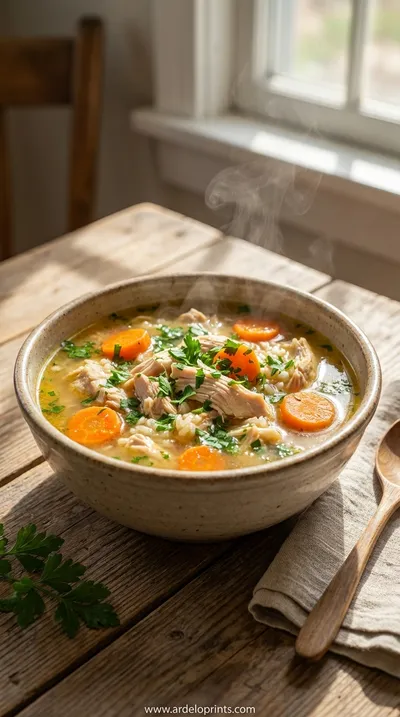
Easy Chicken and Rice Soup Recipe
Homemade chicken and rice soup that comforts like a warm hug.
Timing
Prep Time
15 Minutes
Cook Time
25 Minutes
Total Time
40 Minutes
Recipe Details
Ingredients
Soup Base
-
01
1 tbsp olive oil
-
02
1 medium onion, chopped
-
03
2 carrots, peeled and diced
-
04
2 celery stalks, diced
-
05
2 cloves garlic, minced
-
06
8 cups chicken broth (low sodium)
-
07
1 lb boneless, skinless chicken thighs
-
08
1 cup long-grain white rice, rinsed
-
09
Salt and black pepper to taste
For Serving (Optional)
-
01
Fresh parsley, chopped
-
02
Lemon wedges
-
03
Crusty bread
Instructions
Heat the olive oil in a large pot over medium heat. Add the chopped onion, carrots, and celery. Sauté for about 5-7 minutes, until the vegetables have softened and the onion is translucent.
You’ll smell that sweet, earthy aroma filling the kitchen. Stir occasionally to prevent sticking. This step builds the flavor base for your soup.
Add the minced garlic and cook for another minute until fragrant. Then pour in the chicken broth. Bring the mixture to a gentle boil.
Once it’s bubbling, add the chicken thighs and the rinsed rice. Reduce the heat to low, cover the pot, and let it simmer for about 20 minutes.
The simmer should be gentle—just a few bubbles breaking the surface. This cooks the chicken through and lets the rice absorb the broth.
After 20 minutes, check if the chicken is cooked through (it should reach 165°F internally) and the rice is tender. Remove the chicken thighs and shred them using two forks.
Return the shredded chicken to the pot. Season the soup with salt and pepper to taste. Let it simmer for another 2-3 minutes to heat through.
Turn off the heat and let the soup sit for 5 minutes. This allows the flavors to meld and the rice to plump up a bit more.
Ladle into bowls and garnish with fresh parsley if using. Serve with lemon wedges on the side for a bright squeeze. Enjoy warm.
Notes & Tips
-
1
If you prefer chicken breast, use it! Just be careful not to overcook it, as it can become dry. Breast will cook faster than thighs.
-
2
You can add frozen peas or corn during the last 5 minutes of cooking for extra color and sweetness.
-
3
Leftover cooked rice works well too—add it at the end and heat through for about 5 minutes.
-
4
For a richer broth, you can add a Parmesan rind while simmering (remove before serving).

Tools You'll Need
-
Large stockpot or Dutch oven
-
Cutting board and sharp knife
-
Measuring cups and spoons
-
Ladle for serving
-
Wooden spoon for stirring
Must-Know Tips
-
Rinse the rice - This removes excess starch and keeps the broth clear instead of cloudy.
-
Don’t boil vigorously - A gentle simmer is key to tender chicken and perfectly cooked rice.
-
Taste before serving - Broths vary in saltiness, so adjust seasoning at the end.
Professional Secrets
-
Sweat the veggies slowly - This builds a sweet, deep flavor base without browning.
-
Shred chicken against the grain - Makes it more tender and easier to eat.
-
Let it rest off heat - Allows the rice to absorb broth evenly and flavors to settle.

Recipe by
Noah Bennett“I believe lunch should never be boring — quick, colorful, and satisfying meals to power through your day!” 🌯🥗
Get Delicious Recipes Weekly
Join 25,000+ home cooks getting our best recipes straight to their inbox.
Free forever • No spam • Unsubscribe anytime