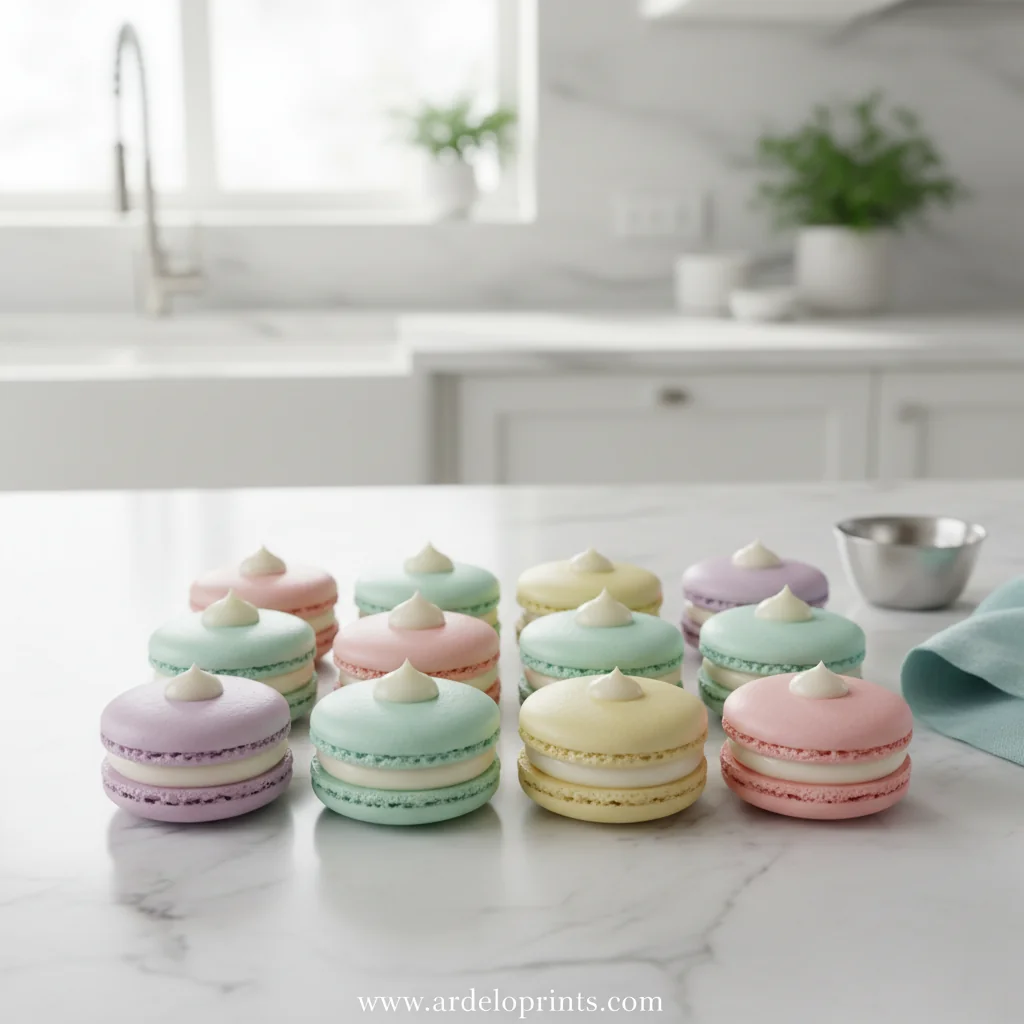
The delicate French macaron traces its roots to the 8th‑century Italian almond meringue, which traveled to France with Catherine de' Medici and evolved into the refined confection beloved today. Its rise to fame in Parisian patisseries during the 19th century reflects a lifelong dedication to technique and texture, making each bite a small homage to culinary history.
Why You'll Love It
-
- Gentle steps that fit a busy kitchen schedule
-
- No fancy equipment required, just a mixer and a parchment sheet
-
- Versatile flavors – swap vanilla for lemon or pistachio with ease
-
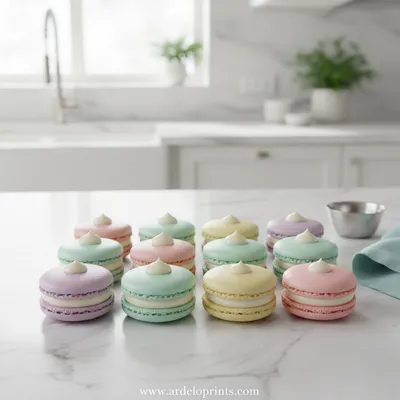
- Elegant pastel colors that brighten any table
These macarons turned out so light and buttery – even my teenage daughter was impressed!
Essential Ingredient Guide
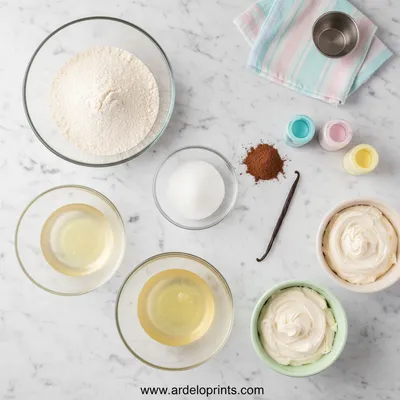
- Almond flour: Choose finely ground, blanched almond flour for a smooth shell; sift twice to avoid grainy texture.
- Egg whites: Use aged egg whites at room temperature; they whip up more easily and hold air better.
- Powdered sugar: Fine confectioners' sugar ensures the batter is glossy and smooth for a neat pipe.
- Granulated sugar: Adds stability to the meringue; dissolve completely for a glossy sheen.
- Lemon zest: A hint of citrus lifts the sweetness and adds a fresh aroma.
- Buttercream filling: Keeps the interior chewy; flavor it with vanilla, coffee, or fruit puree as desired.
 Desserts
Cinnamon Roll Cake Recipe
Fluffy cinnamon roll cake with caramelized swirl, ideal for breakfast or snack.
Complete Cooking Process
-
Ingredient Readiness:
Sift almond flour and powdered sugar together; let egg whites rest at room temperature for 30 minutes.
-
Flavor Development:
Whisk egg whites with granulated sugar until glossy peaks form, then gently fold in the dry mix.
-
Texture Control:
The batter should flow like lava; over‑mixing makes the shells flat, under‑mixing makes them crack.
-
Finishing Touches:
Pipe uniform circles, let them rest until a skin forms, then bake until a delicate “foot” appears.
-
Serving Timing:
Allow macarons to mature in the refrigerator for at least 12 hours; this deepens the flavor.
-
Use a kitchen scale for precise measurements – grams make all the difference.
-
Tap the baking sheet on the counter after piping to release air bubbles.
-
Bake one tray at a time for even heat distribution.
-
Cool completely before removing shells; they release more cleanly.
Pro Tips
These little details may seem minor, but they turn a simple batch into something you’d expect from a Parisian bakery. I’ve found that taking a moment to watch the shells develop that tiny ridge – the “foot” – is both rewarding and calming. So, set a timer, step back, and enjoy the quiet anticipation of the oven’s gentle heat.
 Desserts
Easy Ice Cream Sandwich Cake
Cool, creamy ice cream sandwich cake that's simple, fun, and perfect for any sweet craving.
The essence of the dish:
A balance of crisp outer shells and a soft, slightly chewy interior, flavored subtly with vanilla and a whisper of lemon.
A fun fact or historical angle:
Macarons were once considered a luxury treat for French aristocracy, served at royal gatherings in the early 1900s.
Flavor or sensory focus:
Expect a gentle almond aroma, a melt‑in‑your‑mouth texture, and a sweet‑but‑not‑cloying aftertaste that lingers lightly.
You Must Know
-
Room‑temperature egg whites whip best
-
Consistent pipe size ensures even baking
-
Resting the piped batter creates the signature foot
Frequently Asked Questions
→ Why do my macarons crack on top?
Cracks often appear when the batter is over‑mixed or the oven temperature is too high; aim for a smooth, flowing batter and a gentle bake.
→ Can I use food coloring?
Yes, add gel or powder food coloring to the folded batter; a little goes a long way and keeps the texture stable.
→ How long can I store finished macarons?
Store them in an airtight container in the refrigerator for up to 3 days; they actually taste better after a night of resting.
→ Do I need a silicone mat?
Parchment paper works fine; silicone mats can help with even release, but are optional.
→ What’s the best way to pipe the batter?
Use a round tip, hold the bag at a 90‑degree angle, and apply steady pressure for uniform circles.
→ Can I make macarons gluten‑free?
All traditional macarons are naturally gluten‑free; just ensure no cross‑contamination with other ingredients.
Nutrition Facts
per serving
115
Calories
2g
Protein
13g
Carbs
6g
Fat
Taste Profile
Delicately sweet with a subtle nutty richness
Ingredient Substitutions
Don't have an ingredient? Try these alternatives
Provides a richer flavor; may affect color slightly.
Use 3 tbsp per egg white; whisk well to achieve stiff peaks.
Recipe Variations
Try these delicious twists on the original
Spicy Version
Add a pinch of cayenne and a dash of honey to the buttercream for a subtle heat.
Mediterranean Style
Incorporate finely chopped pistachios into the shells and swirl olive oil‑infused buttercream.
Common Mistakes to Avoid
Learn from others' mistakes for perfect results
- Over‑mixing the batter, which prevents a proper foot from forming.
- Under‑mixing, resulting in flat shells that spread too much.
- Opening the oven door too early, causing uneven rise.
Meal Prep & Storage
Make Ahead Tips
You can pipe and dry the shells up to 24 hours in advance; store them airtight and bake when ready.
Leftover Ideas
Reheat gently in a low oven (120°C) for a few minutes to revive the soft interior.
Perfect Pairings
Serve this with...
Cooking Timeline
Sift dry ingredients and age egg whites.
Whisk egg whites to stiff peaks and fold in dry mixture.
Pipe shells, tap pan, and let batter rest.
Bake shells, cool, and prepare buttercream filling.
Assemble macarons and refrigerate to set.
French Macarons Recipe – Beginner Friendly
Delicate, airy shells that melt on the tongue with a soft, chewy center – French macarons can feel like a little celebration in every bite. This beginner‑friendly guide walks you through the gentle rhythm of folding almond flour, beating egg whites to glossy peaks, and coaxing the perfect “foot” on the oven‑baked shells. Light, pastel‑colored, and subtly fragrant with vanilla, these petite treats are perfect for a quiet afternoon tea or a special gift.
Timing
Prep Time
30 Minutes
Cook Time
15 Minutes
Total Time
45 Minutes
Recipe Details
Ingredients
Macaron Shells
-
01
100 g almond flour
-
02
100 g powdered sugar
-
03
90 g egg whites (about 3 large), aged
-
04
30 g granulated sugar
-
05
Pinch of cream of tartar
-
06
1 tsp vanilla extract
-
07
Zest of 1 lemon (optional)
-
08
Gel food coloring (optional)
Buttercream Filling
-
01
60 g unsalted butter, softened
-
02
80 g powdered sugar
-
03
1 tsp vanilla extract
-
04
1 tbsp heavy cream
Instructions
Sift almond flour and powdered sugar together into a bowl; set aside.
In a clean bowl, whisk egg whites with cream of tartar until foamy, then gradually add granulated sugar and beat to glossy stiff peaks.
Gently fold the dry almond mixture into the meringue with a spatula, adding vanilla and lemon zest; continue until the batter flows like lava.
If using color, add a small amount of gel food coloring and blend just until uniform.
Pipe 1‑inch circles onto parchment‑lined baking sheets; tap the sheet on the counter to release bubbles.
Let the piped shells rest at room temperature for 30‑45 minutes, until a skin forms and they are no longer tacky.
Preheat oven to 150°C (300°F). Bake shells for 12‑15 minutes, rotating halfway, until the tops are set and a gentle foot appears.
Cool completely before gently removing from parchment.
Whisk butter, powdered sugar, vanilla, and cream together until smooth for the filling.
Pipe a small dollop of buttercream onto the flat side of one shell and sandwich with another; repeat.
Notes & Tips
-
1
If shells crack, check oven temperature with an oven thermometer.
-
2
Allow the buttercream to rest for 10 minutes before piping for a silkier texture.
-
3
Use a kitchen scale for best consistency; small variations can affect the foot.
Tools You'll Need
-
Electric mixer
-
Sifter
-
Silicone spatula
-
Piping bag with round tip
-
Baking sheets
-
Parchment paper
Must-Know Tips
-
Don't overcrowd the pan, cook in batches to ensure even heat distribution.
-
Let shells rest until you can lightly touch the surface without sticking.
-
Taste the buttercream before filling; adjust sweetness to your preference.
Professional Secrets
-
Room temperature egg whites whisk more evenly, creating a stable meringue.
-
A gentle oven temperature prevents the tops from browning too quickly.
-
Resting the piped batter develops the perfect foot.

Recipe by
Mason Cole“Sweet cravings are my specialty! I turn sugar, chocolate, and imagination into pure dessert magic.” 🍰✨
Get Delicious Recipes Weekly
Join 25,000+ home cooks getting our best recipes straight to their inbox.
Free forever • No spam • Unsubscribe anytime