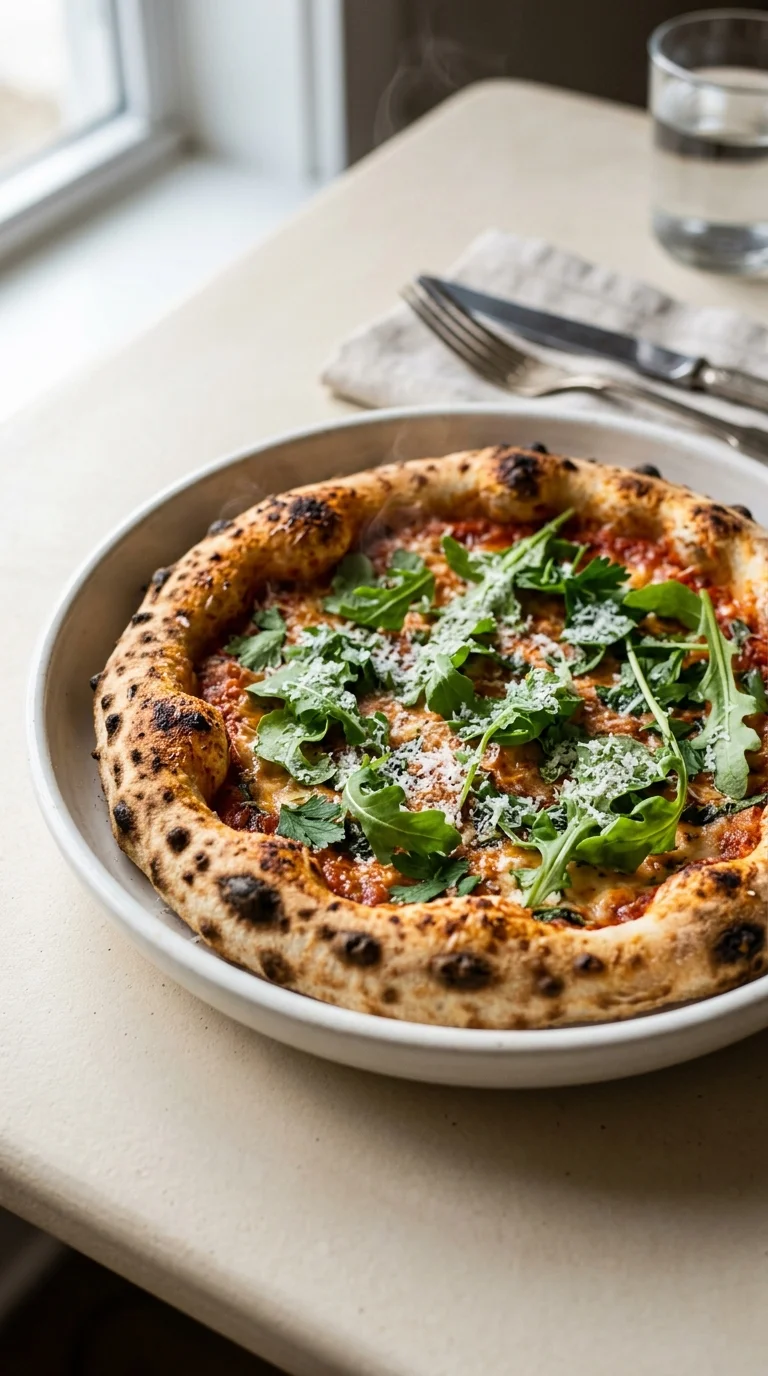
The art of the sourdough pizza dough stems from an ancient relationship between humans and wild yeast, long before commercial packets existed. In the villages of Italy, the 'madre' or mother starter was a prized family heirloom, passed down through generations to ensure the bread had that signature depth of flavor and a texture that could withstand the intense heat of a wood-fired oven.
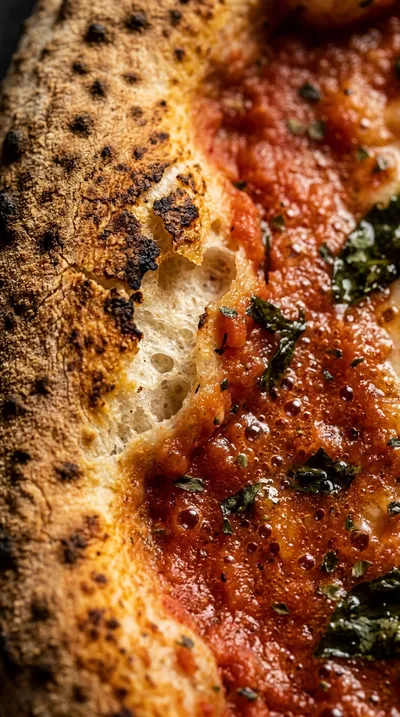
Unlike modern quick-rise doughs, this method relies on a slower fermentation process. This patience allows the enzymes to break down the starches, making the crust more digestible and creating those beautiful, charred bubbles known as 'leopard spotting.' It is a reflection of a time when food was prepared with intention and pacing.
Today, bringing this tradition into a home kitchen means embracing the rhythm of the rise. By combining a bubbly starter with simple staples like lukewarm water and flour, the baker recreates a cultural staple that celebrates the intersection of science and intuition. It is more than just a meal; it is a connection to a global history of baking.
Why You'll Love It
-
- Honestly, that contrast between the crispy outside and the chewy inside is just heavenly. It reminds me of those old-school pizzerias, but with a warmth that only comes from your own kitchen.
-
- Well, using 1 cup (240 ml) 100% hydration sourdough starter gives it this lovely, subtle tang. It's a deeper flavor than you'll ever get from a store-bought mix, believe me.
-
- Look, there's something so grounding about the process of kneading and folding. It's a slow dance that results in a crust that's just... wow, truly satisfying.
-
- It's just perfect for a weekend pizza night with the family. I mean, who doesn't love the smell of fresh dough and bubbling cheese filling up the whole house?
"I mean, wow. My kids actually asked for more vegetables because the crust was so delicious. Truly a game changer!"
Essential Ingredient Guide
- 1 cup (240 ml) 100% hydration sourdough starter, active: This is the heart and soul of the recipe. Make sure it's nice and bubbly; if it's feeling a bit sleepy, just give it a feed a few hours before you start.
- 3 cups (360 g) all-purpose flour, plus extra for dusting: I find all-purpose keeps the crust tender but sturdy. Just be careful not to over-flour your surface, or the dough can get a bit stiff.
- 2 tsp (10 ml) extra-virgin olive oil: A little bit of oil goes a long way here. It adds a gentle richness to the dough and helps it brown beautifully in the oven.
- 1 tsp (5 g) fine sea salt: Don't skip this, really. The salt balances that sourdough tang and makes all the other flavors just pop.
- 1 cup (240 ml) lukewarm water: The water should feel just barely warm to the touch. If it's too hot, oops, you might hurt your starter, so just keep it gentle.
- extra-virgin olive oil: I like to keep a little extra on hand to brush the raw dough. It gives the edges a wonderful, golden crispiness that's just delightful.
Complete Cooking Process
-
Getting Everything Ready:
Start by whisking your 1 cup (240 ml) 100% hydration sourdough starter, active with the lukewarm water. It's all about making sure that starter is happy and awake before the flour goes in.
-
Developing the Flavor:
The magic happens during the bulk ferment and those gentle stretch-and-folds. This is where that signature sourdough tang really settles in and develops.
-
Perfecting the Texture:
Kneading for 8-10 minutes is key to getting that elastic, windowpane feel. It ensures your crust is chewy and strong enough to hold all your favorite toppings.
-
The Final Touch:
Sliding the pizza onto a screaming hot stone or steel is the secret. It gives you that professional, golden-brown bottom we all crave.
-
Serving at Its Best:
Let the pizza rest for just a minute after it comes out of the oven. It lets the cheese set slightly so everything stays in place when you slice into it.
-
If your starter isn't bubbly enough, give it a feed 4-6 hours before mixing.
-
Brush the raw dough with a little olive oil for a crispier edge.
-
Lightly mist the dough with water during bulk ferment to keep it from drying out.
-
Preheat your oven and stone for at least 30 minutes at 475°F.
Pro Tips
Just take your time with it, and your pizza will turn out wonderful.


Better For You Treats
I love that this dough relies on natural fermentation. It makes the crust a bit easier on the tummy than quick-rise breads, and pairing it with fresh veggies makes it a balanced, mindful meal.
Ways to Make it Your Own
You can swap out 1 cup of all-purpose flour for whole-wheat flour if you like a nuttier taste. Or, feel free to fold some fresh herbs into the dough for a little extra something special.
Serving Suggestions
I really enjoy a drizzle of balsamic reduction on top for a sweet finish. Serve it with a side of arugula salad with lemon and olive oil to cut through the richness of the cheese.
Frequently Asked Questions
→ What if my dough is too sticky to handle?
Don't panic! Just sprinkle a little more flour on your hands and surface, but try not to overdo it so the crust stays chewy.
→ Can I make the dough ahead of time?
Yes, indeed. You can keep it in the fridge for up to 3 days, just remember to let it warm up for 2 hours before you stretch it.
→ Do I really need a pizza stone?
It certainly helps get that crisp, but a baking sheet works too. Just make sure your oven is very hot!

Nutrition Facts
per serving
420
Calories
12g
Protein
58g
Carbs
8g
Fat
Taste Profile
A balanced, tangy sourdough flavor with a savory saltiness.
Ingredient Substitutions
Don't have an ingredient? Try these alternatives
Bread flour will give you an even chewier crust due to higher protein.
A neutral oil works fine if you don't want the olive flavor.
Recipe Variations
Try these delicious twists on the original
Whole-Wheat Sourdough Pizza
For a bit more fiber and a nuttier taste, replace 1 cup of the all-purpose flour with whole-wheat flour. Keep everything else just as it is.
Herb-Infused Sourdough Pizza
Knead in some dried oregano or garlic powder for a more aromatic base.
Common Mistakes to Avoid
Learn from others' mistakes for perfect results
- Using cold water which can slow down the sourdough fermentation
- Skipping the preheating phase for the pizza stone
- Over-flouring the surface which makes the crust too dense
Meal Prep & Storage
Make Ahead Tips
You can make the dough and keep it in the fridge for up to 3 days. Just remember to let it sit out for 2 hours before you start stretching it.
Leftover Ideas
If you have leftover dough, freeze it in an airtight bag. Thaw it in the fridge overnight before you use it.
Perfect Pairings
Serve this with...
Cooking Timeline
Mixing starter, water, and flour into a shaggy dough
Kneading the dough until smooth and elastic
Bulk fermentation including stretch-and-folds
Rolling out and topping the pizza
Baking at high heat until golden brown
 Lunch
Lunch
Canned Salmon Pasta
Quick, tasty canned salmon pasta with simple ingredients and a rich, comforting flavor.

Sourdough Pizza Dough Recipe
A cozy home-baked sourdough pizza dough recipe that balances a golden, crispy exterior with a soft, chewy center. The natural tang of the starter makes every slice feel like a treat from a rustic Italian bakery.
Timing
Prep Time
10 Minutes
Cook Time
12 Minutes
Total Time
262 Minutes
Recipe Details
Ingredients
Main Ingredients
-
01
1 cup (240 ml) 100% hydration sourdough starter, active
-
02
1 cup (240 ml) lukewarm water
-
03
3 cups (360 g) all-purpose flour, plus extra for dusting
-
04
1 tsp (5 g) fine sea salt
-
05
2 tsp (10 ml) extra-virgin olive oil
Instructions
Start by grabbing your large mixing bowl. Stir together that 1 cup (240 ml) 100% hydration sourdough starter, active and the 1 cup (240 ml) lukewarm water. Just stir it until it looks smooth and bubbly; honestly, it's so satisfying to see the starter wake up like that.
Now, go ahead and add in your 3 cups (360 g) all-purpose flour, plus extra for dusting, along with the 1 tsp (5 g) fine sea salt and 2 tsp (10 ml) extra-virgin olive oil. Give it a good stir until a shaggy dough forms. Don't worry if it's a bit tacky and sticky—that's just how it should be, yeah.
Turn your dough out onto a lightly floured surface. Now comes the work—knead it for about 8–10 minutes. You're looking for it to be smooth and elastic. I always check for the windowpane test; once it does that, you're good to go.
Shape the dough into a tight little ball and nestle it into a lightly oiled bowl. Cover it up with plastic wrap or a damp towel and let it bulk ferment at room temperature (70 °F/21 °C) for 2 hours. During the first hour, I like to do 4-5 stretch-and-folds. Just let the dough fully relax between each one, it's important.
Once it's fermented, gently punch the dough down to let the gas out. Roll it out to however thick you like it using a rolling pin or just stretch it by hand. Transfer it carefully to a parchment-lined pizza peel or baking sheet.
Preheat your oven to 475 °F (245 °C). Make sure your pizza stone or steel is inside for at least 30 minutes. You really want that surface screaming hot to get a good crust.
Top your stretched dough with whatever sauce, cheese, and toppings make you happy. Slide it right onto the preheated stone or steel. Bake for 10–12 minutes until the crust is a lovely golden brown and the cheese is all bubbly.
Carefully remove the pizza with oven mitts. Look, it's tempting to dive in, but let it cool for just a minute. Then slice it up and serve it hot. Wow, that tangy sourdough flavor is just something else.
Notes & Tips
-
1
Ensure your starter is active and bubbly before starting for the best rise.
-
2
The windowpane test is the best way to know your gluten is developed.
-
3
Don't rush the preheating of the pizza stone; the heat is what makes the crust crispy.
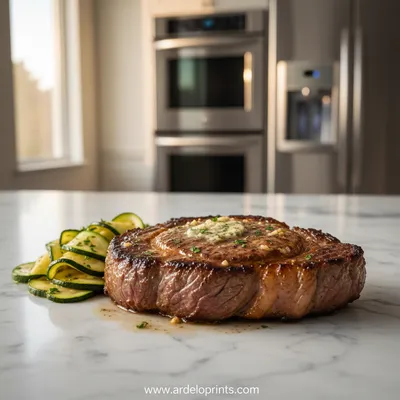 Dinner
Garlic Butter Steak and Zucchini Delight
Savory steak and zucchini in a garlic‑butter glaze for a fast, satisfying dinner.
Tools You'll Need
-
Large mixing bowl for combining your starter and flour
-
Kitchen scale for accurate flour measurements
-
Measuring cup for the water and starter
-
Spatula to scrape the bowl clean
-
Bench scraper to help handle the sticky dough
-
Plastic wrap or damp towel to keep the dough moist
-
Rolling pin or pizza dough scraper for shaping
-
Pizza stone or baking steel for a professional crust
-
Oven for baking
-
Parchment paper to prevent sticking
-
Oven mitts for safety
Must-Know Tips
-
Starter Activity, If your starter isn't bubbly enough, feed it 4-6 hours before mixing.
-
Edge Crispiness, Brush the raw dough with a little olive oil before adding toppings for a better crunch.
-
Moisture Control, Lightly mist the dough surface with water before covering during fermentation.
Professional Secrets
-
The stretch-and-fold technique during the first hour of fermentation builds structure without over-kneading.
-
Using a preheated baking steel creates a thermal shock that mimics a wood-fired oven.
-
Allowing the dough to fully relax between folds prevents the crust from snapping back during stretching.
What readers are saying
Community reviews from home cooks like you
Perfect for a busy weeknight. I really liked how the 1 cup (240 ml) 100% hydration sourdough starter, active and 1 cup (240 ml) lukewarm water came together. Thanks for sharing this one!
Will definitely make this again. I really liked how the 1 cup (240 ml) 100% hydration sourdough starter, active and 1 cup (240 ml) lukewarm water came together. Perfect as written.

Recipe by
Grace Lawson“Butter, sugar, and a little love — that’s my baking philosophy! Let’s make your kitchen smell amazing.” 🍰❤️
Get Delicious Recipes Weekly
Join 25,000+ home cooks getting our best recipes straight to their inbox.
Free forever • No spam • Unsubscribe anytime