
The art of the slow-risen crust finds its roots in the traditional pizzerias of Naples, where the relationship between heat and hydration is treated as a science. By allowing the dough to undergo a cold fermentation, the enzymes break down the starches into simpler sugars, which is exactly what creates those iconic browned bubbles and a complex, nutty flavor profile.
This method of high hydration—incorporating a generous amount of 350g warm (105°F) water—mimics the airy, open crumb found in professional hearth-baked breads. It transforms a few humble ingredients like 10g instant dry yeast and 15g olive oil (1 tbsp + 1 tsp) into a structural masterpiece that is both sturdy and light.
Over decades, this approach has evolved from a street-food staple into a beloved home ritual. The goal is always the same: a crispy chewy bubbly artisan pizza dough that balances a crackly exterior with a tender, pillowy interior, honoring a tradition of patience and fire.
Why You'll Love It
-
- Honestly, those blistered bubbles on the crust are just everything; it feels like you've spent years mastering a brick oven in your own kitchen.
-
- I mean, the contrast between that crackly, caramelized bottom and the soft, chewy center is just pure comfort in every bite.
-
- Well, look, the slow cold ferment does all the hard work for you, creating a deep, complex flavor that just tastes... grounded.
-
- It's just so satisfying to watch the dough rise and puff up in the oven, wow, it really brings the whole family together for dinner.
"Honestly, I can't go back to store-bought. Those bubbles are everything, and the chew is just perfect!"
Essential Ingredient Guide
- 500g bread flour: I always reach for bread flour here because that extra protein is what gives us that wonderful, stretchy chew. It's the backbone of the whole thing, really.
- 350g warm water (105°F): Warm water is key to waking up the yeast gently. Just be careful it's not too hot, or you'll accidentally scare the yeast away, oops!
- 15g olive oil (1 tbsp + 1 tsp): This adds a lovely richness and helps with that golden finish. It also makes the dough a bit easier to handle on your counters.
- 10g sea salt: Sea salt doesn't just season the dough; it keeps the yeast in check so the rise isn't too wild. It adds those tiny, bright sparks of flavor.
- 10g instant dry yeast: This is our little magic engine. It's what creates those beautiful, airy pockets and that signature artisan scent as it proofs.
- 1 tsp sugar: Just a tiny bit of sugar to feed the yeast. It doesn't make the pizza sweet, but it helps the crust brown beautifully in the oven.
 Appetizers
Crispy Feta Rolls – Oven Baked Snack
A quick, oven‑baked snack of feta wrapped in flaky pastry, crisped to a buttery finish.
Complete Cooking Process
-
Ingredient Readiness:
Start by whisking your 500g bread flour, 10g sea salt, and 10g instant dry yeast together. I like to dissolve the 1 tsp sugar in the 350g warm water (105°F) first so everything blends smoothly.
-
Flavor Development:
The real magic happens during the cold fermentation in the fridge for 24–48 hours. This is where the dough develops those complex, tangy notes that you just can't get with a quick rise.
-
Texture Control:
Kneading for about 10 minutes ensures the dough is smooth and elastic. The high hydration is what makes it sticky, but that's exactly how we get those bubbly, airy interiors.
-
Finishing Touches:
Before baking, roll your dough into 12-inch circles on parchment paper. A light sprinkle of flour or cornmeal ensures the bottom gets that perfect, crackly crispness.
-
Serving Timing:
Take the pizzas out as soon as they are golden brown and blistered. Let them rest for just a few minutes—long enough to catch your breath—before slicing into them.
-
Let the dough ferment slowly for 24–48 hours to develop a lighter, open crumb.
-
Use a well-floured surface to manage the stickiness from the 70% hydration.
-
Preheat your pizza stone or cast-iron skillet at 500°F for at least 30 minutes for a crisp bottom.
-
Keep your dough in a sealed container during the fridge stay to prevent it from drying out.
Pro Tips
You've got this, just trust the process and enjoy the smell of fresh bread filling your home.


Better For You Treats
This dough is grounded in simple ingredients, relying on the slow fermentation of 10g instant dry yeast for flavor. For a lighter touch, you can even skip the 15g olive oil, though it does add a lovely richness.
Ways to Make it Your Own
I sometimes stir in 1 teaspoon dried rosemary and ½ teaspoon dried oregano for a savory, fragrant crust. Or, if you're feeling sweet, add 1 tablespoon honey during mixing for a crust that caramelizes like a dream.
Serving Suggestions
I love topping mine with fresh mozzarella, basil, and a drizzle of olive oil. Pair it with a crisp arugula salad with lemon vinaigrette to balance out the rich, chewy dough.
Frequently Asked Questions
→ What if my dough is too sticky to knead?
Oh, don't worry! It's supposed to be a bit tacky because of the water; just add a tablespoon of flour at a time until it feels right to you.
→ Can I skip the overnight fridge rest?
You can, but you'll miss out on those deep, artisan flavors and the bubbly texture. It's worth the wait, I promise.
→ My oven doesn't go up to 500°F, will it still work?
Yeah, it'll still be tasty! Just bake it at your oven's highest setting and keep a close eye on the crust until it's golden brown.
Nutrition Facts
per serving
520
Calories
34g
Protein
82g
Carbs
6g
Fat
Taste Profile
A balanced, savory crust with a hint of fermentation tang.
Ingredient Substitutions
Don't have an ingredient? Try these alternatives
Provides a more neutral flavor profile.
Adjust slightly for volume as grain sizes differ.
Recipe Variations
Try these delicious twists on the original
Honey-Glazed Crust
Stir in 1 tablespoon of honey during the mixing phase for a subtle sweetness that caramelizes beautifully in the oven.
Herb-Infused Crust
Add 1 teaspoon of dried rosemary and ½ teaspoon of dried oregano to the flour for a fragrant, savory base.
Common Mistakes to Avoid
Learn from others' mistakes for perfect results
- Using water that is too hot, which can kill the yeast.
- Under-kneading the dough, resulting in a flat crust without bubbles.
- Not preheating the stone long enough, leading to a soggy bottom.
Meal Prep & Storage
Make Ahead Tips
This recipe is designed for making ahead; the dough must ferment in the fridge for 24-48 hours for best results.
Leftover Ideas
Freeze uncooked dough balls for up to 2 months, thawing in the fridge overnight.
Perfect Pairings
Serve this with...
Cooking Timeline
Whisk dry ingredients and prepare the warm water mixture.
Combine ingredients and knead the dough until smooth.
First bulk rise at room temperature to develop gluten.
Cold fermentation in the refrigerator for flavor development.
Final room temperature proof and high-heat baking.
 Baking
Honey Vanilla Banana Bread
Fluffy honey‑sweetened banana bread with a hint of vanilla, easy to bake and delightfully aromatic.

Artisan Pizza Dough – Crispy, Chewy, Bubbly Crust
A warm, home-baked treat featuring a crispy chewy bubbly artisan pizza dough that blisters beautifully in the oven. It has that perfect crackle on the bottom and a soft, airy heart that feels like a hug.
Timing
Prep Time
45 Minutes
Cook Time
12 Minutes
Total Time
4365 Minutes
Recipe Details
Ingredients
Dough Ingredients
-
01
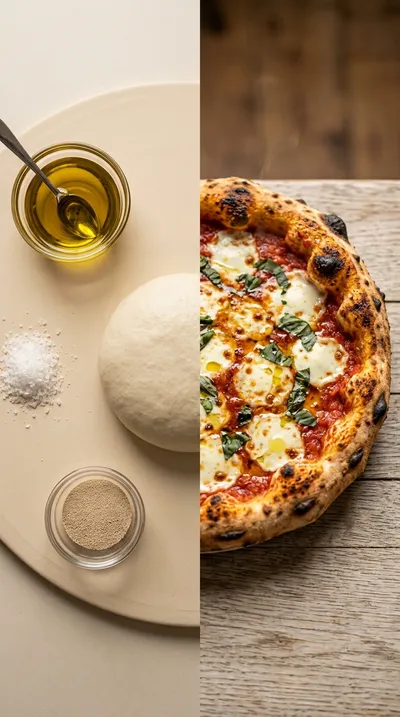
500g bread flour
-
02
350g warm water (105°F)
-
03
1 tsp sugar
-
04
10g instant dry yeast
-
05
10g sea salt
-
06
15g olive oil (1 tbsp + 1 tsp)
Instructions
Start by grabbing a large bowl and whisking together your 500g bread flour, 10g sea salt, and 10g instant dry yeast. I like to make sure they're well mixed so there are no little clumps of salt.
In a measuring cup, go ahead and dissolve the 1 tsp sugar into the 350g warm water (105°F), then just stir in the 15g olive oil. It's a simple start, but it gets the yeast happy.
Pour that liquid mixture right over your dry ingredients. Use a wooden spoon or a dough scraper to stir it all together until a shaggy dough forms. Honestly, it'll look a bit messy at first, and that's just fine.
Move the dough onto a lightly floured surface. Now comes the work—knead it for about 10 minutes. If it feels a bit too tacky, oops, just add a tablespoon of flour. Keep going until it feels smooth and elastic under your hands.
Shape your dough into a nice, round ball and tuck it into a greased bowl. Cover it with plastic wrap and let it rest for 30–45 minutes. This bulk fermentation is where the gluten starts to develop, so just let it be.
Once it's had its first rise, transfer the dough to the refrigerator. We're going to let it ferment slowly for 24–48 hours. I mean, the patience is hard, but this cold fermentation is where the real magic happens.
On the day you're ready to bake, take the dough out of the fridge. Let it come back to room temperature and proof for 2–3 hours until it's nearly doubled in size. It should feel airy and light.
Preheat your oven to 500°F (260°C) with your pizza stone or steel inside for at least 30 minutes. While that's getting screaming hot, divide your dough into four equal portions (about 200g each).
Roll each portion on parchment paper into a 12-inch circle. I usually dust the surface with a light sprinkle of flour or cornmeal, then carefully slide the parchment onto a pizza peel or baking sheet.
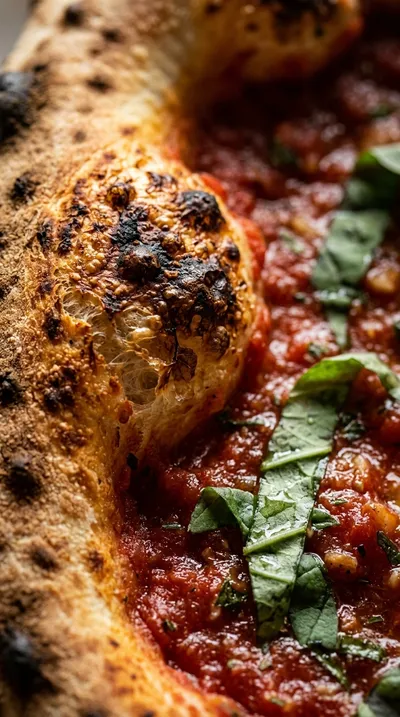
Bake each pizza for 10–12 minutes. You're looking for those gorgeous blistered bubbles and a golden brown color. When you tap the crust, it should feel crisp. Let it cool for a few minutes before you slice into it.
Notes & Tips
-
1
Cold fermentation is the secret to that professional, open crumb and deeper flavor.
-
2
High hydration doughs are naturally stickier; don't be afraid of using plenty of flour on your work surface.
-
3
A preheated stone is essential for that caramelized, crackly bottom.
Tools You'll Need
-
Large mixing bowl for combining ingredients
-
Spatula or dough scraper for handling the tacky dough
-
Plastic wrap or cling film to keep moisture in
-
Proofing container or dough tin for the rise
-
Pizza peel or baking sheet for easy transfer
-
Pizza stone or cast-iron skillet for a high-heat base
-
Oven capable of reaching 500°F
-
Kitchen scale for precise measurements
-
Parchment paper to prevent sticking
Must-Know Tips
-
Cold Fermentation, Let the dough sit in the fridge for 24-48 hours to develop complex flavors.
-
Hydration Balance, Use a well-floured surface because the 70% hydration makes the dough stickier.
-
Bottom Crispness, Sprinkle a thin layer of cornmeal on your stone or skillet before baking for extra crunch.
Professional Secrets
-
The slow cold ferment creates the billowy, bubbly structure seen in artisan pizzerias.
-
Using bread flour instead of all-purpose provides the higher protein needed for that specific chewy bite.
-
A 500°F oven temperature is non-negotiable for achieving the 'blistered' effect on the crust.
What readers are saying
Community reviews from home cooks like you
Perfect for a busy weeknight. I really liked how the 500g bread flour and 350g warm water (105°F) came together. I found it a bit sweet for my taste. Already shared it with a friend.
I was surprised how good this turned out. I really liked how the 500g bread flour and 350g warm water (105°F) came together. Great addition to my recipe rotation.
This exceeded my expectations. I really liked how the 500g bread flour and 350g warm water (105°F) came together. Perfect as written.
Can't believe how simple this was. I really liked how the 500g bread flour and 350g warm water (105°F) came together. Saving this for later.
Will definitely make this again. I really liked how the 500g bread flour and 350g warm water (105°F) came together. Thanks for sharing this one!
It was okay, with a few tweaks. The flour flavor was nice, but my oven needed an extra 5 minutes. I might try it again with some adjustments.
The flavors were spot on. I really liked how the 500g bread flour and 350g warm water (105°F) came together. Saving this for later.
Can't believe how simple this was. I really liked how the 500g bread flour and 350g warm water (105°F) came together. I swapped one ingredient and it still worked. Will be making this regularly.
Will definitely make this again. I really liked how the 500g bread flour and 350g warm water (105°F) came together. Great addition to my recipe rotation.
I was surprised how good this turned out. I really liked how the 500g bread flour and 350g warm water (105°F) came together. Perfect as written.
My new favorite way to make Artisan Pizza Dough – Crispy, Chewy, Bubbly Crust. I really liked how the 500g bread flour and 350g warm water (105°F) came together. Will be making this regularly.
Will definitely make this again. I really liked how the 500g bread flour and 350g warm water (105°F) came together. Saving this for later.
I wanted to love this dish, but it didn't quite work for me. I swapped one ingredient and it still worked. I think with some tweaks it could be really good.
So easy and delicious. I really liked how the 500g bread flour and 350g warm water (105°F) came together. Already shared it with a friend.
So easy and delicious. I really liked how the 500g bread flour and 350g warm water (105°F) came together. I swapped one ingredient and it still worked. Saving this for later.
So easy and delicious. I really liked how the 500g bread flour and 350g warm water (105°F) came together. My kids even asked for seconds.
My new favorite way to make Artisan Pizza Dough – Crispy, Chewy, Bubbly Crust. I really liked how the 500g bread flour and 350g warm water (105°F) came together. Highly recommend giving it a try.
Perfect for a busy weeknight. I really liked how the 500g bread flour and 350g warm water (105°F) came together. It took slightly longer than the recipe said. My kids even asked for seconds.
Pretty good overall. The flour flavor was nice, but my oven needed an extra 5 minutes. I might try it again with some adjustments.
My new favorite way to make Artisan Pizza Dough – Crispy, Chewy, Bubbly Crust. I really liked how the 500g bread flour and 350g warm water (105°F) came together. I swapped one ingredient and it still worked. Great addition to my recipe rotation.
This exceeded my expectations. I really liked how the 500g bread flour and 350g warm water (105°F) came together. Highly recommend giving it a try.
So easy and delicious. I really liked how the 500g bread flour and 350g warm water (105°F) came together. Perfect as written.

Recipe by
Grace Lawson“Butter, sugar, and a little love — that’s my baking philosophy! Let’s make your kitchen smell amazing.” 🍰❤️
Get Delicious Recipes Weekly
Join 25,000+ home cooks getting our best recipes straight to their inbox.
Free forever • No spam • Unsubscribe anytime